

Smart EV charging for homes emerges as a game-changer in the landscape of sustainable living, offering a myriad of benefits that extend beyond mere convenience. In this blog post, we’ll explore how smart EV charging transforms homes and contributes to a more sustainable future.
1. Optimal Energy Management
Smart EV chargers are equipped with advanced software and connectivity features that enable optimal energy management. By leveraging real-time data and smart algorithms, smart EV chargers can adjust charging speeds based on factors such as electricity prices, grid demand, and renewable energy availability. This dynamic charging capability ensures efficient use of electricity, minimising costs for homeowners while reducing strain on the grid during peak hours.
2. Integration with Renewable Energy Sources
One of the most significant advantages of smart EV charging is its seamless integration with renewable energy sources such as solar power. With smart charging systems, homeowners can schedule EV charging to coincide with periods of high solar generation, maximising the use of clean energy and reducing reliance on the grid. This not only lowers carbon emissions but also offers potential cost savings by offsetting electricity consumption from traditional sources.
3. Remote Monitoring and Control
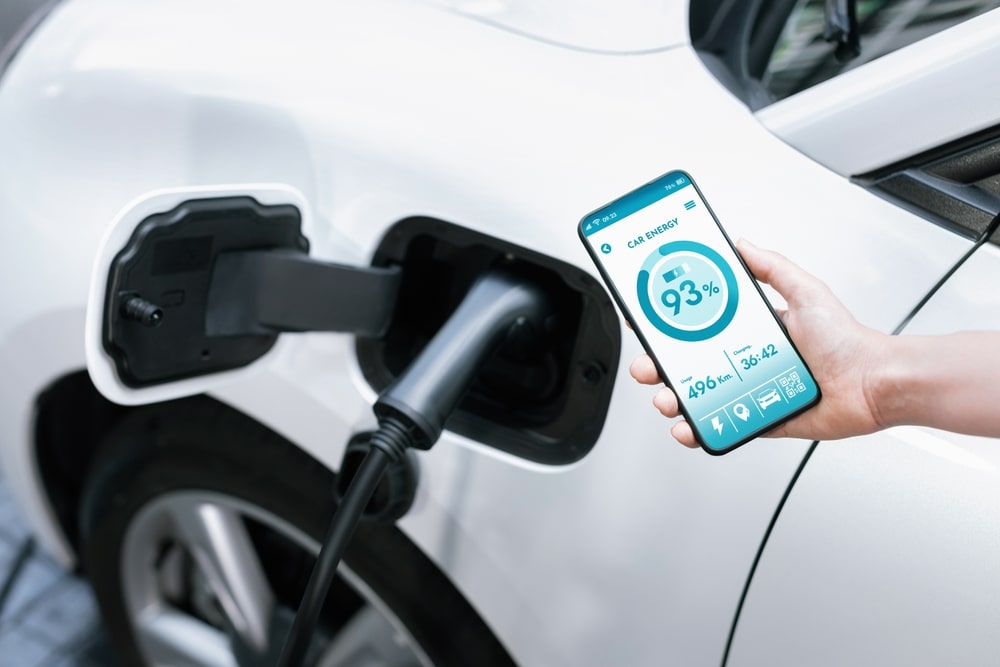
Smart EV chargers come equipped with remote monitoring and control features, allowing homeowners to manage charging sessions from anywhere using a smartphone app or web portal. Whether you’re at home, at work, or away, you can monitor EV charging progress, adjust settings, and receive notifications in real-time. This level of flexibility and control empowers homeowners to optimise their charging schedules, minimise energy waste, and adapt to changing energy dynamics effortlessly.
4. Load Management and Grid Stability
The widespread adoption of electric vehicles poses challenges to the stability of the electrical grid, particularly during peak charging times. Smart EV chargers address this issue by implementing load management strategies that distribute charging loads intelligently. By staggering charging sessions and prioritising low-demand periods, smart chargers help alleviate stress on the grid, ensuring grid stability and reliability for all consumers.
5. Data Insights and Optimisation
Smart EV charging systems generate valuable data insights that enable homeowners to optimise their charging behaviour and energy usage patterns. By analysing EV charging data, homeowners can identify opportunities for efficiency improvements, track energy consumption trends, and make informed decisions about their charging habits. This data-driven approach not only enhances sustainability but also empowers homeowners to take control of their energy footprint and reduce overall environmental impact.
To Conclude…
Smart EV charging represents a significant step towards a more sustainable and energy-efficient future. By harnessing the power of technology and connectivity, homeowners can maximise the benefits of electric transportation while minimising its environmental footprint. From optimal energy management to seamless integration with renewable energy sources, smart EV charging offers a wealth of advantages that transform homes into hubs of sustainable mobility.


