

The introduction of the government’s Part S regulations in June 2022 marks a significant milestone in the UK’s journey towards achieving net-zero emissions. These regulations aim to make electric vehicle (EV) infrastructure more accessible and attractive, ultimately promoting the uptake of EVs as part of the government’s ambitious plan to transition to fully electric vehicles by 2030.
One of the most noteworthy aspects of the Part S regulations pertains to the requirements for electric vehicle charge points. The government has outlined specific expectations for new EV charging technology to ensure widespread installation and maintain a high standard of quality. Additionally, these requirements aim to future-proof charging units, anticipating advancements in EV technology.
So, what should businesses and developers consider when selecting an EV charging solution?
First and foremost, the Part S regulations mandate that EV charge points must be smart. This means they should have the capability to schedule charging sessions during off-peak hours or times of low demand, thereby reducing pressure on the national grid. Furthermore, these smart charge points should be able to measure, record, and transmit usage data in units of energy or time, providing valuable insights for users and operators.
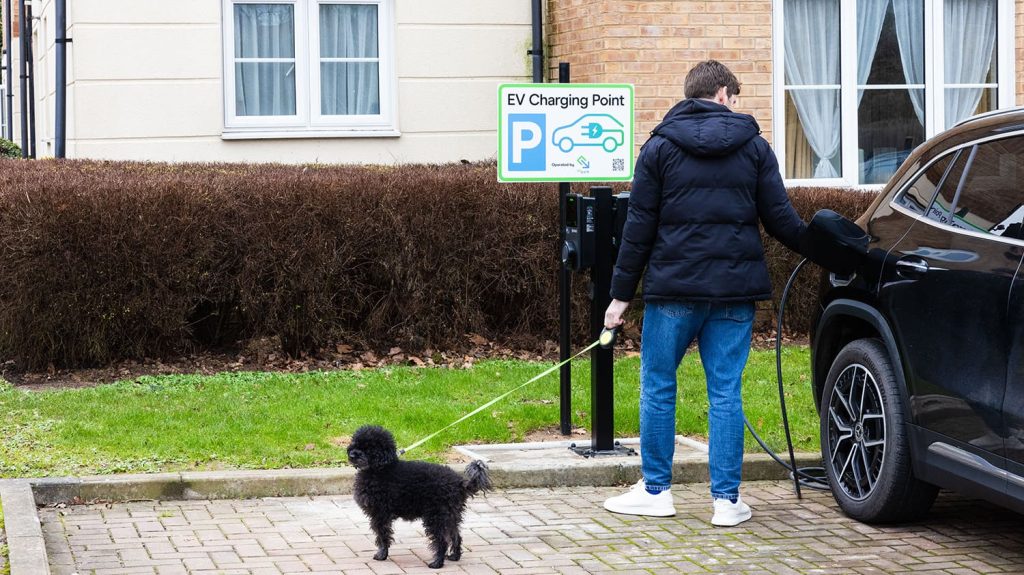
In addition to these smart features, EV charge points must meet several other requirements outlined in the regulations, including:
- A minimum power output of 7kW and a universal, untethered power socket.
- Compliance with a minimum of Mode 3 specialised system, running from a dedicated circuit (or equivalent) as specified in BS EN IEC 61851.
- Incorporation of a charging status indicator to inform users of the charging process.
- Design and installation according to the specifications outlined in BS 7671.
- Adherence to the requirements set forth in the Institution of Engineering and Technology’s (IET) Code of Practice for Electric Vehicle Charging Equipment Installations.
By ensuring compliance with these regulations and selecting EV charging solutions that meet the specified criteria, businesses and developers can contribute to the widespread adoption of electric vehicles while also future-proofing their infrastructure for the evolving needs of electric mobility.
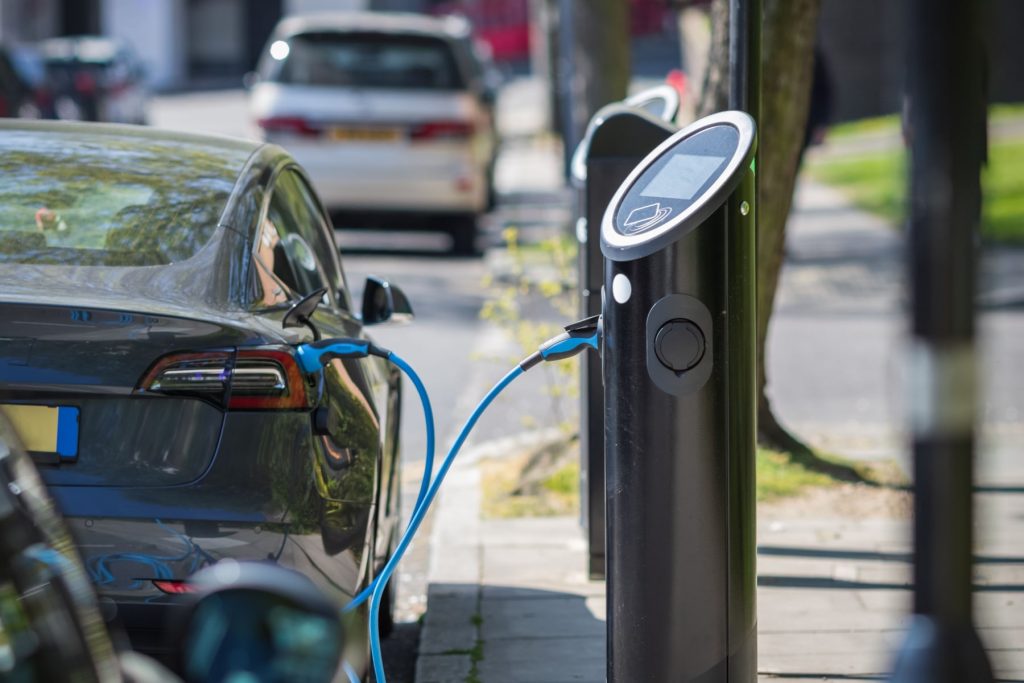
For more on the Part S regulations, you can visit: https://www.gov.uk/government/publications/infrastructure-for-charging-electric-vehicles-approved-document-s


